Job Interview Questions Designed to Make You Think

Wednesday, August 3rd, 2016|


Job interviews can be anxiety-inducing, especially if you really want the job. Your resume and cover letter were good enough to land the interview, but meeting face-to-face (or via Skype or Google Hangouts) is a whole other story. And nowadays, it’s not enough to ask the standard interview questions. In fact, many top companies ask their potential candidates an array of surprising and unfamiliar questions to help get your creative juices flowing and see how you respond on the fly to thinking analytically and developing solutions. It’s a chance for you to loosen up, relax, and show the interviewer the real you.

We’ve put together a list of real-life interview questions from top companies around the world courtesy of Glassdoor and beyond, from companies including Facebook, Google, Apple, Amazon, Intel, and Trader Joe’s. Try practicing answers to questions like these, and see what fun answers you come up with on your own!

  • If you could only choose one song to play every time you walked into a room for the rest of your life, what would it be?
  • Choose a city and estimate how many piano tuners operate a business there.
  • If you could be remembered for one sentence, what would it be?
  • Why are manhole covers round?
  • Design an evacuation plan for this building.
  • How many Big Macs does McDonald’s sell each year in the U.S.?
  • 25 racehorses, no stopwatch. 5 tracks. Figure out the top three fastest horses in the fewest number of races.
  • How much do you charge to wash every window in Seattle?
  • If I was talking to your best friend, what is the one thing they would you say you need to work on?
  • How many children are born every day?
  • If you were a pizza delivery man, how would you benefit from scissors?
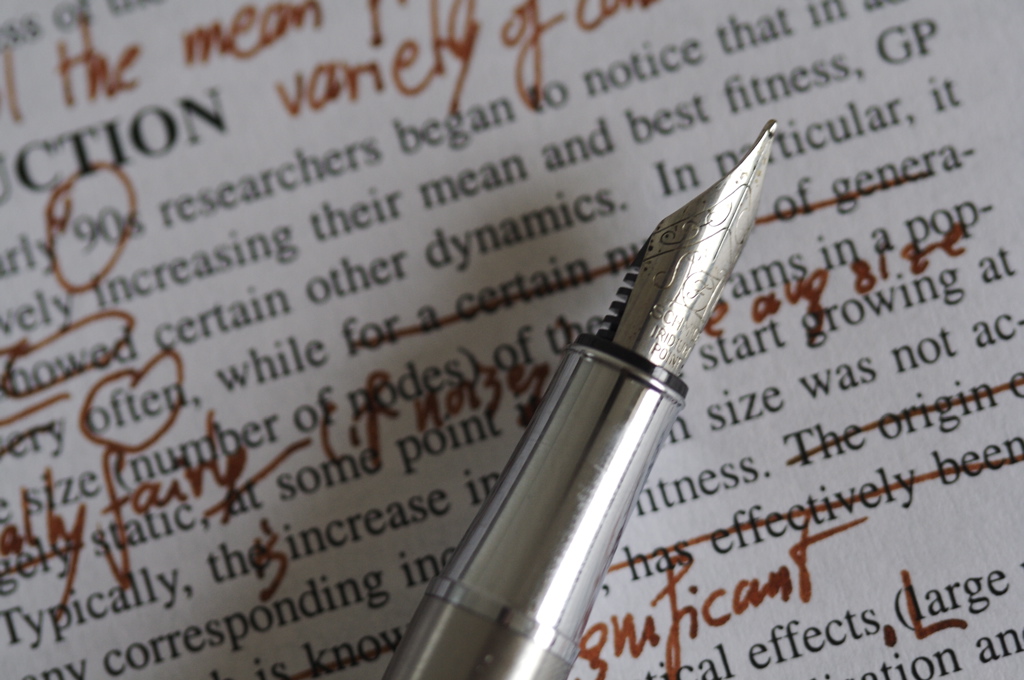
  • How would you breakdown the cost of this pen?
  • If you have 2 eggs, and you want to figure out what’s the highest floor from which you can drop the egg without breaking it, how would you do it? What’s the optimal solution?
  • How would you solve problems if you were from Mars?
  • Design a spice rack for the blind.
  • What do you think of garden gnomes?
  • You’re a new addition to the crayon box. What color would you be and why?

Image by Meilun.

Artisan Creative is celebrating our 20th year staffing and recruiting Creative, Digital and Marketing roles. Please visit Roles We Place for a complete listing of our expertise.

Click here if you are looking to hire. Click here if you are looking for work.

For information on hiring best practices, interview tips and industry news, please join our social networks on LinkedInTwitterFacebook, and Instagram.

Are Cover Letters Necessary?

Wednesday, May 18th, 2016|

cover-letter-needed

If a job listing asks for a cover letter, you might wonder why is a hiring manager asking for it? Will anyone actually reading these?

Yes. Yes, they are. And they’re reading them for several good reasons.

First off, every part of an application needs to be as strong as possible. If your resume is a little weaker than you’d like (maybe you’re applying for a more senior role or a job within a different industry than you’ve experienced), a cover letter could provide additional information to a hiring manager about your capabilities.

Secondly, if a job listing requires a cover letter, it’s one way to see whether a candidate follows directions and reads the entire listing. Companies want to hire thoughtful individuals — no matter your talent or experience, not following the simplest directions signals that you don’t really care.

If it’s between you and several other candidates, a great cover letter can make you stand out from other qualified candidates. Plus, a well-crafted cover letter shows off your writing skills. Even if your job doesn’t require writing, effective communication is a cornerstone for any position, creative or otherwise. Moreover, a cover letter allows you to demonstrate that you’ve done your research on this company or job, and can articulate why you are the best candidate.

What information should be included in your cover letter? Make sure it is not boilerplate. A generic cover letter will look like just that — standard. You want to stand out, so share details about why you feel you’re a good fit for the job. If you’re looking at a graphic design job at a fashion company, explain how you started taking sewing lessons or how you follow trends closely.

Highlight successes at previous jobs. If you were responsible for driving traffic to a new website, your resume can only convey so much of that information. However, a cover letter offers you the opportunity to discuss your achievements in more detail (for example, you increased web traffic by 36 percent in a 9-month period).

Finally, a cover letter is a great way to show off your personality. Your writing style and what you choose to include helps paint a picture beyond your resume and portfolio. How are you a leader? What story can you tell? What makes you a great cultural fit for this environment?

In short, your cover letter is your calling card and can demonstrate additional information not readily available on your resume.

Looking for a job? Artisan always has open job listings for creatives!

9 Things to Avoid During a Job Interview

Wednesday, April 6th, 2016|

tips-avoid-job-interview

Interviews necessitate that you make a good impression, however nerves or being unprepared can hold you back from presenting yourself in the best light. Other factors can also erode confidence such as what you’re wearing, when you arrive, or whether you’re focused, present and actually listening to your interview. Here are nine things to avoid during any job interview.

  1. Being unprepared. Anticipate questions about your resume and experience, and have answers for the most common interview questions. Do your research to get an idea of company culture, products, and where your skills may translate. A quick search of the company’s website and social media channels will prepare you.
  2. Forgetting your manners. There are simple things you can do to solidify your impression as a thoughtful and considerate person this company wants to hire. Arrive on time, say thank you, be respectful to all and have a positive attitude.
  3. Unprofessional attire. Is your outfit wrinkled or messy? A sloppy ensemble signals to your interviewer that you didn’t care enough to notice the details. Have a couple of alternative outfits picked out in case your normal go-to outfit has something wrong, and always make sure all of your interview outfits are pressed and ready to go.
  4. Discussing salary. Best not to discuss salary in a first interview. Only discuss it if the interviewer asks you about it first.  Otherwise best to focus on the role and company culture and discuss salary in follow-up interviews. If you are working with a recruiter, they will have shared your parameters ahead of time, so leave the negotiation to your recruiter.
  5. Not listening. What is your interviewer asking you? If you’re not paying attention and either answer the wrong question or ask them to repeat it, you imply that your attention span or attention to detail is low. Show that you can follow directions and keep an open mind by simply listening.
  6. Rambling, fidgeting, or getting too nervous. Yes, interviews can be nerve-wracking, but you’re here to show you are best for this job. When you go on and on, elaborating on every answer, you’re supplying too much information and offering irrelevant anecdotes. On the other hand, freezing up is equally bad! If you think you could get nervous, practice your answers beforehand in the mirror so you’ll feel confident in the room.  Be concise, articulate, and to the point.
  7. Putting down a former boss or company. Even if your former employer was a nightmare for you to work with, nothing will make you look worse than speaking ill about them. You also never know who knows who! If a previous job situation was truly terrible, practice explaining what didn’t work for you in that position in a positive way.
  8. Answering your phone. Turn off your cell phone and put it away while you’re interviewing. Picking it up when it buzzes might be instinct that shows the interviewer you can’t focus, or you care more about what someone texted you than this job opportunity.
  9. Being late. ABOT: Always Be On Time. If you don’t know where the company is, map it out before driving (or taking public transit or an Uber) so you know how long it’ll take to get there and can plan accordingly. If there is an outstanding situation for being late, like a car accident or a sick child, have the hiring manager’s phone number on dial so you can call and let them know what’s going on.

Are you a hiring manager, or a long-time job interviewee? What are your tips on what to avoid in a job interview? Tell us on Twitter!

Your Interviewing Style

Wednesday, March 2nd, 2016|

Just like no two snowflakes are alike, no two interviews are exactly the same. That being said, there are several archetypes of interviewers. Personality, company culture, and interview style play a big role in how a job interview goes, and there are many things that can contribute to a good or bad interview, such as whether the candidate is prepared, reading body language, and sussing out if they are indeed qualified for the position. But you — and the candidate — can help each other have a successful interview by knowing what type of interviewer you are.

The Talkative Interviewer

You’re friendly and warm! You love talking about the company you love working for and have a lot to say about the position. You may also have a lot to say…in general. Toe the line between gregarious and chatty by keeping your guard up. Let the candidate do more of the talking, and be an active listener. The more they talk, the more you’ll be able to determine if they’re really a good fit for the team.

The Inquisitive Interviewer

You feel that the best way to get to know people is to ask questions. You’re likely to ask a candidate about aspects of their life beyond their career accomplishments or future goals. Some personal questions are fine to ask. For instance, if they made a personal connection to your company’s work in their cover letter, it’s fine to explore this. However, you should never ask any questions that could be construed as inappropriate or make someone feel uncomfortable. If they’re a good fit for the company, you’ll get to know them better later.

The Questioning Interviewer

You like to get down to business. You don’t just ask a lot of questions — you ask them rapidly and expect the candidate to fire back just as quickly. While you may feel this is an efficient form of interviewing, your candidate may find it a little intimidating. Switch up the pace of the interview and allow them time to formulate thoughtful answers.

The “Follows the Script” Interviewer

You’re fair and objective. You also have a job to do, and that job is to find the best new hire for the team. You have a pre-set list of questions you ask, and you don’t deviate too much from the script. While it may help you keep the candidates straight, be prepared for someone you’re interviewing to talk at length on one subject, or demonstrate passion for a specific achievement. Let the flow of discourse shift when necessary — you may find that by doing so, you find your next hire faster!

The Busy Interviewer

You have a LOT on your plate. You’re leading the team, taking care of projects, answering emails — maybe you don’t even really care that much about being a part of the interview process. But the candidate might be nervous, and not feigning interest in the interview can come off as rude. Try to set aside any distractions and listen to them, especially because they could very well be working for you soon.

The Funny Interviewer

You’re a joker. You like to have fun and laugh, and you want a team that does the same. Yet sarcasm or jokes might cross the line. An anxious candidate might not know how to react to your humor, or even share it. Try to focus on their resume, and if you think they’re too serious, then you can make another choice later.

The New Interviewer

You’re fairly new to the company or your team. In fact, this might be the first time you’ve had the responsibility of hiring someone! But being new means you don’t have the same level of experience as other folks. Prepare in advance of the interview. Have a list of questions ready and their resume printed out for reference. Think of what questions they may ask you about the job or company, and have replies ready for them.

Are you looking for talent at your company? Tell us what you’re looking for so we can help!

Are You Overqualified for That Job?

Wednesday, January 13th, 2016|

Have you ever been told you were “overqualified” for a job?

Overqualified?! What does that mean? Can someone really have too much experience? Surely that must be a positive thing, right?

When a job seeker is considered overqualified, it means there is not a right match between the available position and that person’s experience level. For example…

  • The candidate may have more experienced than the supervisor
  • The candidate’s experience may be intimidating to others on the team
  • The candidate’s years of experience may warrant a higher salary than the company is able to pay
  • The candidate may not be challenged by the job in the long run
  • The candidate may get bored and leave the role (this is a big reason why hiring managers are cautious of hiring someone with more experience than the role warrants)

However, you’ve worked hard to gain valuable experience you can apply in a myriad of roles. Your skills are likely transferable from one industry to another, especially in the creative industry, so if you are going to accept a role more junior than your skill level, be honest with yourself as to why you want this position.

And if you are truly interested in a specific role, even if you are more experienced than the job description indicates, then you can highlight your experience so it is an asset:

  • Update your resume to highlight relevant experience specific to this role
  • Write a cover letter that expresses why you’re genuinely interested and excited for the role, even if it seems like your career is further along than the position would require.  For example, if this allows you to learn a new industry, or learn a new skill
  • Highlight how your experience can be an asset and help the team or manager

Keep in mind that your resume and cover letter are just tools to help you stand out among a sea of candidates also applying for the same position. Once you are granted an interview, the real work begins.

Looking for work? Make sure to follow us on social media and check out our open job listings for freelance and full-time roles in a variety of industries!

How Interviewers Can Find the Best Candidates During the Interview Process

Wednesday, October 21st, 2015|

best-candidates-interviews

One of the big responsibilities of recruiters is helping our amazing prospective candidates prepare for interviews. We’ve sent hundreds of wonderful candidates out on thousands of interviews, and we have to say, we’re experts on what helps make a great interview. If you’re in charge of hiring, the following tips on conducting an interview can be of benefit to find the perfect candidate for your company:

Prepare your questions in advance. Whatever the position, make sure you know ahead of time what you’re going to ask them. How would you best describe the role’s day-to-day needs? How will you review the team structure, reporting structure and company culture and values?

Ask open-ended questions. Ask questions that start with “why” or “how” to allow candidates to put into their own words what they think or feel. For instance, “How did you handle a crisis?” or “Why is a strong team environment important to you” will let them tell their story. Therefore, you’ll get to know them better!

Hone in your listening skills. This might seem obvious, but active listening is absolutely necessary to getting all the info you need. Pay attention to more than their words. What does their body language and tone say? You can learn a lot about whether you think a candidate is truly a good fit or if you think they’re just saying what they think you want to hear.

Keep it positive. Even if the role is challenging, or the company is in a transitional stage, it’s best to upfront yet keep the tone of the interview positive and informative.

Don’t let time slip away. Always leave time during an interview so the candidate can ask questions about the role and company. You’ll be able to find out what’s important just by giving them the opportunity to ask.

Know what comes next. If an interview goes well, let them know! Tell them about the current interview process and how it’s going, as well as whether you need to set up a second interview with other hiring managers or team members. They could be entertaining multiple offers, but if they know you’re interested, it could seal the deal.

Remember — a good recruiter can help you find the perfect candidates to interview, and a good interviewer can assess who’s the right candidate for the job, but a great hire can truly make a successful team thrive!

Here’s How You Can Impress Recruiters with Your Resume in 6 Seconds.

Wednesday, October 14th, 2015|

A recent Harvard Business Review article pointed out that online job search site The Ladders says recruiters take about six seconds to look at a resume.

Six seconds! What can anyone reasonably do in six seconds?

Well, they can make a judgment call. And that’s what you can fix. Because as long as your resume is effective, you get a lot more than six seconds of someone’s time.

Spruce up your portfolio. Your resume may only get a few moments of time to make a mark, but a well-crafted portfolio of your work can make all the difference. A great portfolio can help convince hiring managers that your work speaks louder than your resume, as well as make the connection between your work experience and actual creative endeavors.

Close the employment gaps. If you’ve been looking for a while, it can feel like the gap between jobs is just getting bigger. Volunteer, freelance, or create your own projects to add to the resume so the gaps lessen. Look for leadership roles to help enhance your standing.

Be selective. Your resume is a body of content that represents you, so it doesn’t need to be comprehensive. Include whatever is relevant to the job and hiring manager as part of your experience. The same goes for your skills and accomplishments.

Format your resume correctly. Use bold and underlining plus bullet points to help promote yourself in a concise yet detailed fashion. Add the right keywords — the more specific, the better. Short descriptions of previous work experience will suffice. Make sure to point out your responsibilities in each position in addition to personal achievements. Education goes at the end. Finally, keep everything clean! Lots of white space helps your resume appear professional and polished.

Ask for help. Being objective about your career can be difficult. Some people overestimate or underestimate their success. Hire a resume writer, or ask a mentor or friend to help with the resume writing process.

Take your time. Creating an effective resume is not a quick or easy process. You have to think carefully about what you want to say and how to say it.

Is your resume ready for review in six seconds? What are your resume tips?

The Importance of Proofreading Your Resume (And Everything Else)

Wednesday, August 5th, 2015|

According to a survey conducted by Grammarly on Indeed.com, the average job seeker has at least one punctuation error on their resume, and 60 percent of errors are grammatical.

If the job requires attention to detail or if you promote yourself as “meticulous,” how can a hiring manager trust that you are those things if your resume has simple spelling mistakes and typos?

Those tiny errors could make them think twice about calling you for the role.

One cannot underestimate the importance of proofreading. Here are a few tips to keep in mind during this necessary step in applying for jobs:

Proofreading does not equal spell check. Misspellings and grammatical mistakes are common, and they happen to everyone. But spell check cannot replace your sharp eye. Most spell check programs do not recognize contextual spelling errors (like “achieve” versus “achievement”).

Don’t rush your email. When you see the perfect job, it’s easy to get excited and click “send” before thoroughly reading it over. However, if you spelled the name of the company incorrectly, it’s very unlikely they’ll be emailing back!

Check your online portfolio. Hiring managers, especially in creative fields, are going to look at your website. If you’ve misspelled a few words, or have grammar errors, it will negatively impact your beautiful photos or exquisite design. They’ll remember that you weren’t fastidious enough to double check your own website.

Keep it consistent. If you’re still employed at a position, use present tense — use past tense if you’re no longer there. Stay consistent and use an active voice (“developed strategy,” “created designs”). Catching errors in consistency is part of proofreading.

Have a friend help you! If you’ve already combed through all your hiring materials, ask a friend (or several) help you proofread as well just to be on the safe side.

The good news is that your resume, LinkedIn profile, and online portfolio are easy to fix. All you have to do is take the time to proofread and make sure there are no errors.

So proofread your resume. Proofread your cover letter. Proofread your online portfolio. Proofread your writing samples. Proofread your blog. Proofread your email to a recruiter or hiring manager. Proofread, proofread, proofread. You can thank us later after you score the job!

Job Search: Research and Development Part II

Wednesday, July 1st, 2015|

In the second of our two-part series, Artisan Creative’s President Katty Douraghy talks about how to develop your brand in order to have a successful job search.

The Development phase of the R&D process includes developing your brand.

Start with Social Media.

  • Employers do check it out.
  • Learn how to control your privacy settings, so keep your private information private!
  • Depending on your industry, set up your appropriate social channels, join groups or start adding relevant content.

LinkedIn is a powerful tool

  • Update your profile and work history
  • Join industry groups
  • Expand your network and connections
  • Get recommendations
  • Participate in discussion boards, posts, or blogs to highlight your subject matter expertise

Develop Your Portfolio

  • If you are in the creative space, update your portfolio with recent, relevant samples.
  • Organize your samples by focus whether it’s digital, print, broadcast, or mobile.
  • Detail your involvement (whether it’s concepting, executing, production) and remove the guesswork for Hiring Managers.
  • Be specific if it was produced work, or comps or a class project
  • If you don’t have web skills to create your own custom portfolio, then use the several online portfolio tools that are available.
  • The key is to be current, relevant and organized in the flow of presentation of your work.

Next, Develop your resume.

  • Write, edit and proof it.  Did I mention to please proof your resume?  ◦A typo can quickly derail everything!
  • Besides using spell check, Read YOUR RESUME OUT LOUD and enunciate words to catch errors!
  • Have someone else read your resume with a fresh set of eyes.
  • Remove the guesswork from your resume. ◦Be specific with your work dates. Clearly state the months and years.
  • Indicate contract or freelance assignments, otherwise, it can be viewed as job-hopping.
  • Highlight your relevant work history
  • Use keywords, specific job titles, software programs, and certifications. Many online job application portals search and scan for keywords.
  • Use brief, concise bullets or phrases
  • Education: List graduation dates and completed degrees.

Next, practice your interviewing skills, especially if it’s been awhile

  • Practice in front of the mirror
  • Practice with a friend
  • Do an interview prep with your recruiter
  • Record yourself and listen to your voice, tone, filler words
  • Join Toastmasters or other public speaking forums to practice your presentation

The better your R&D phase in setting up the strategy for the job search, the more tactical you can be in your approach.

Leave the guesswork and haphazard approach to your competition—and plan your success to stand out from the crowd.

View Part I here


Meeting Recruiters: 5 Reasons to Meet Your Recruiter before a Job Interview

Wednesday, February 4th, 2015|


At Artisan Creative we aim to meet every candidate interviewing with our clients. It’s a crucial part of the hiring process for both the client and the candidate (and our team at Artisan). It’s also an opportunity to get to know one another better and build long-term relationships. We’ve been in the business for over 20 years so long-lasting relationships mean a lot to us.

Inside Scoop
It’s a great feeling walking into an interview feeling prepared and confident. If you are working with a recruiter they should give you the inside scoop and the who’s who of the company along with who you’ll be meeting. They should set your expectations for culture fit, dress code, number of interviewers etc. ahead of time.  No one appreciates surprises — especially on interview day. Your recruiter should prepare you for your best interview possible.

Beyond a Job Description

Job descriptions may tell you the requirements of the job but they can’t really tell you much more than that. There’s a ton of information left off including lots of little details such as who’s on the team, key projects and what are the company’s future growth plans. Meeting with your recruiter before an interview will provide you with extra knowledge, especially if your recruiter has a long-term relationship with the client.

Relationships and Networking

Building a good working relationship with your recruiter is key.  A good recruiter can be a great asset in knowing the openings in the job market, knowing the must-have’s of job requirements and being an advocate on your behalf. Building relationships with a recruiter will not only expand your network but save a lot of time, too.  A good recruiter can be a strong connector.

Culture Fit and Non-Verbal Communication

You can learn a lot about a person from their non-verbal communication. Meeting face-to-face allows people to connect and learn about your interests beyond your work experience. If you love craft beers and surfing and choose creative over corporate environments that may not shine through over the phone. We like to know about your interests and find an alignment with a client to make the perfect match.

Market Insight
The job market can be a volatile place. If you’re looking to change jobs or start freelancing, recruiters can give you crucial market insight. We handle multiple job opportunities daily and can often help to give you our views on any changes that may occur within the industry.  

Laura Pell – Artisan Creative